Community Eye Care and Research Center
Comprehensive eye care services for all ages and conditions
Comprehensive eye care with advanced facilities
This department has been providing treatment to the patients attending with various eye diseases. Among the patients new and old are categorized. The patients who have come for the first time to the hospital are treated as new patient. Every new patient will be treated as an old patient for 1½ month after first visit. After that the patient will be treated as a new patient again. There are also free of cost services considering the socio-economic condition of the patient. Outpatient department has been providing consultation and medical treatment to different sectors of eye diseases.
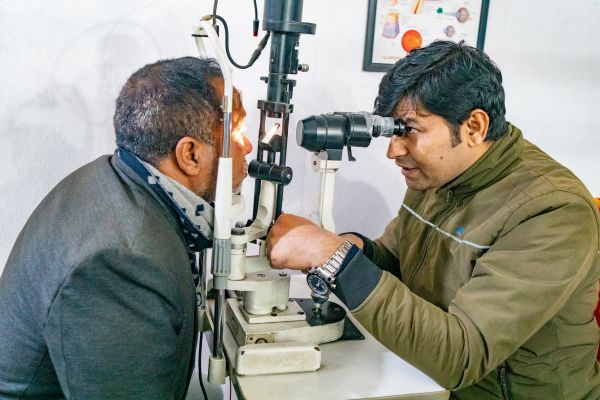
The consultation section is consisted of specialized doctors, surgeons and ophthalmic assistants. Patients can get consultation by a doctor of ophthalmology and surgeon for any of their eye problem. There are consultants in OPD in day time and some duty doctors provide services to the surgery patients after OPD time.
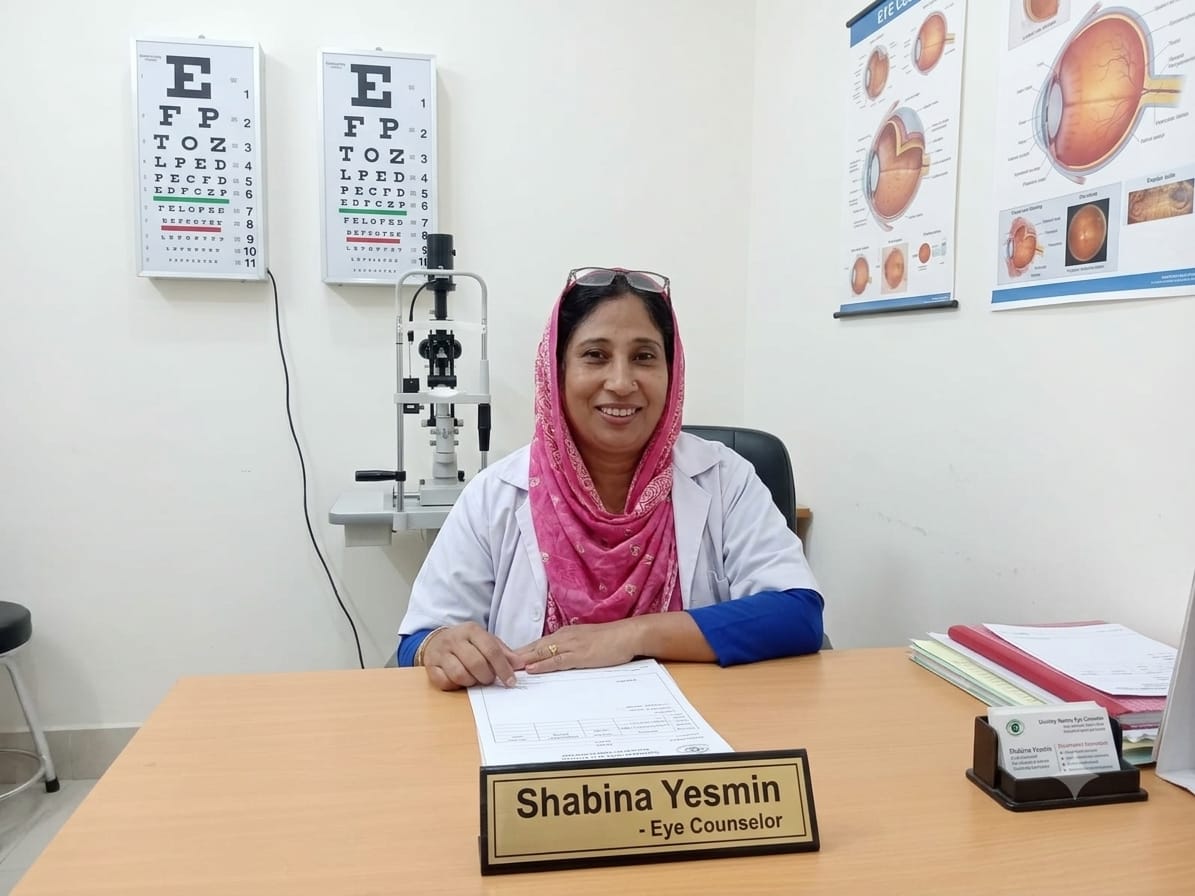
Counseling department plays an important role at OPD. A number of efficient counselors are dedicated to make the patients understand about their problems and what they are to do regarding their treatment. The patient will be informed about the type of surgeries, cost and even the procedure of surgery. This department is responsible for quality support to the patients about the services. This department is entrusted with awareness development among the people who comes for eye treatment. The people are given proper motivation about how to address ophthalmic problems, corneal infection and refraction. They are also given advice about how to overcome malnutrition.
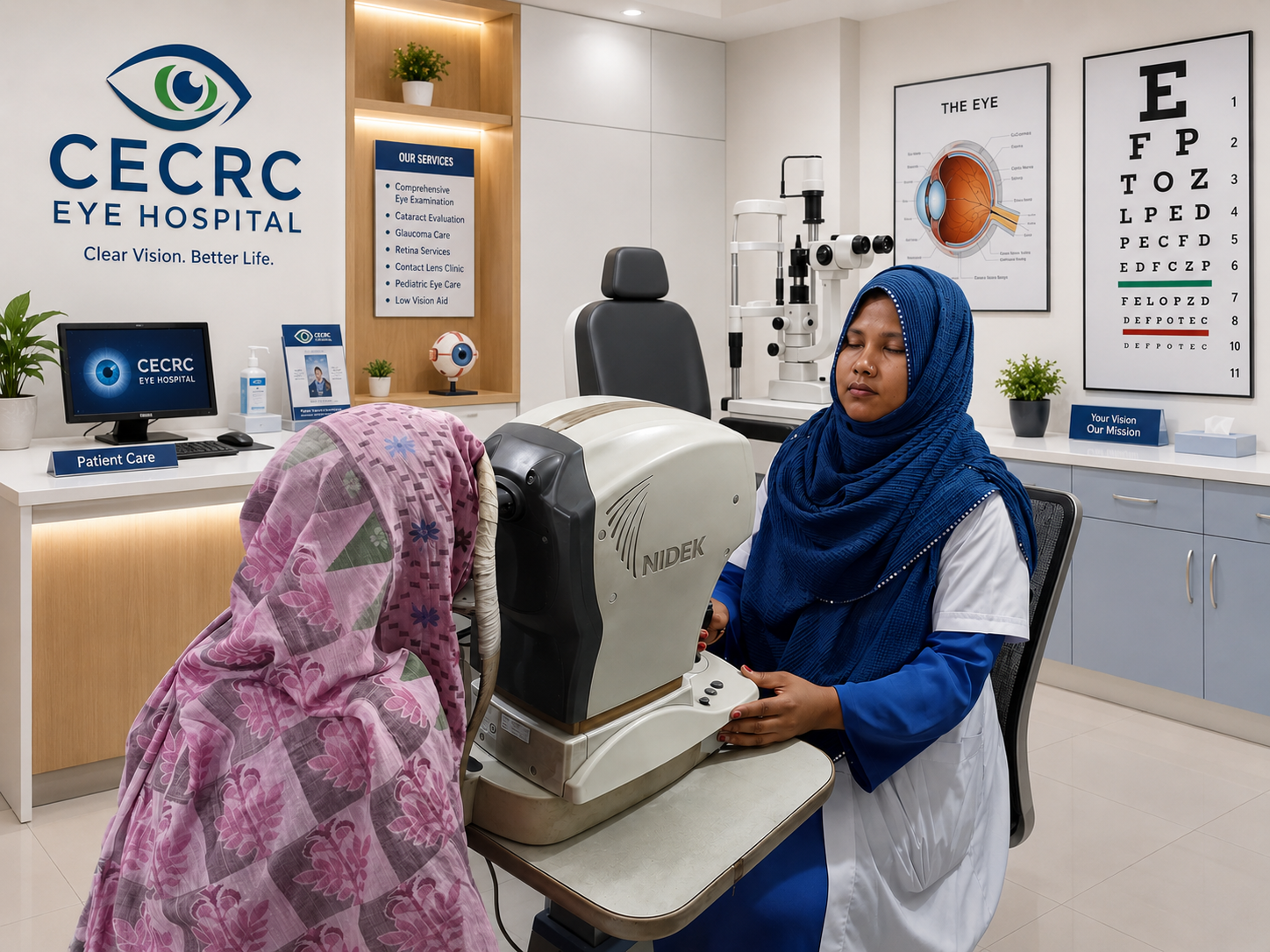
As per doctor's advice the patient may need diagnosis to find out the causes of complain, some measurements of eye or physical condition and some tests. These diagnoses help the doctor to understand the patient's complain better and to find out any hidden cause of complain. CECRC has a diagnosis unit which performs the following diagnosis and tests: Tonometry, SPT, RBS, BP, Fluorescent stain, Biometry, Sub-conjunctival injection etc.
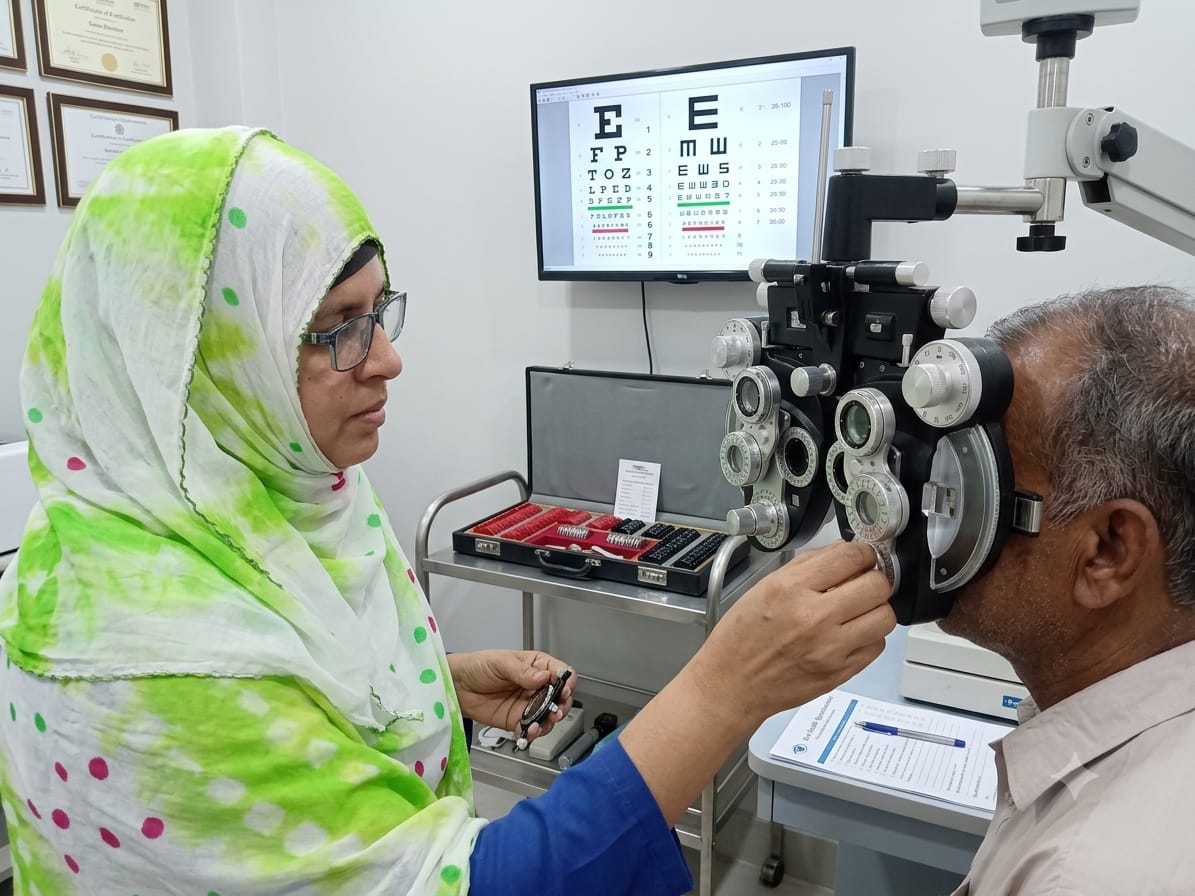
It is a part of outpatient department where patients with refractive errors are taken in to a simple procedure for the correction of vision with glasses after screening the patients eye with auto-refractometer. There is experienced refractionist with a set of trial box, vision box, color vision test chart, trial frame, occlude and a few other necessary instruments to make the correction of refractive error. After refraction patients buy and use a spectacle for a perfect vision.
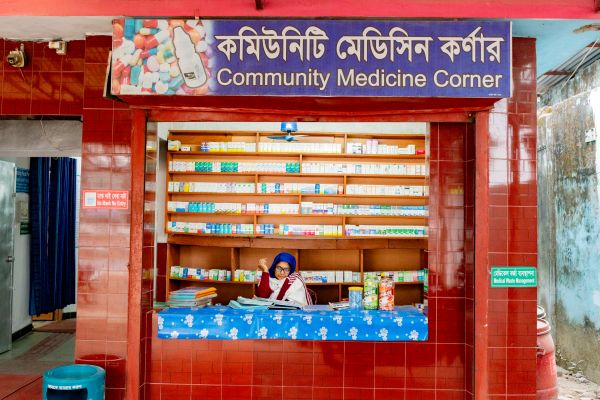
'Community Medicine Corner' is a medicine dispensary which is situated within the premises of CECRC. The dispensary has a large collection of eye drops, ointment, capsules, tablets and some other general medicine from authorized and reputed pharmaceuticals.
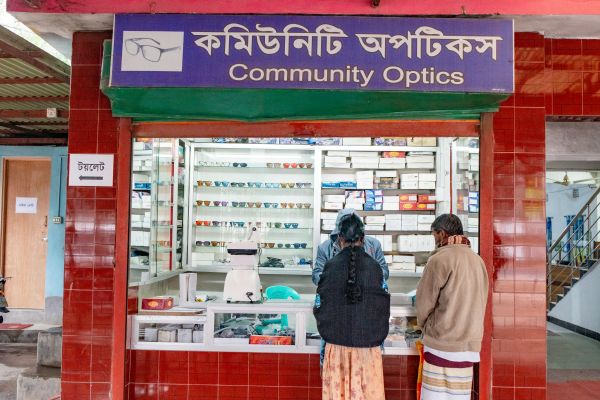
'Community Optics' is a spectacle dispensary situated in the hospital premises. Spectacle for correction of refractive errors, for safety while threshing grains or using sharp tools and some fancy goggles are sold in this spectacle dispensary. One ophthalmic assistant and one technician in the dispensary take care of the service seekers. One can buy spectacle frame by her/his choice out of a large collection and order for optical glasses as prescribed by the ophthalmologist.
This department includes the following sections:
In-patient Department mainly carries out the surgeries in its surgi-center. The surgi-center is the clinical arm of CECRC and a hub for treatment, training and research. OPD carries out cataract surgeries, implantation of Intra Ocular Lense by using SICS technique and Phaco Emulsification. It also provides surgeries on Dacryocystorhinostomy (DCR), Dacrocystectomy (DCT), Pterygium, Glaucoma, Excision of Conjunctival Cyst, Exicision of Dermoid, Chalazion etc.
Free ward is for the patients who have undergone an operation and need a rest for some time. Generally patients under any project or who are given free services from the base hospital, rest in free ward. Paid patients are given room in the paid ward or cabin.
It is estimated that on an average it will cost USD $ 50/Patient for cataract surgery, USD $ 55/Patient for Pterygium, USD $ 95/Patient for DCR and USD $ 75/Patient for Glaucoma . The cost includes transport, food, tests, surgery, accommodation, medication, lens, dark glasses, post-operative follow up in one week etc. It is recognized that there will be a little variation (depending on distance, weather, need and fluctuation of costs) for some cases the costs will be low while in some other cases it would be higher than estimation. The budget has considered upon present costing (average) of cataract surgery in SICS procedure. The patient will be taken to hospital from his/her area and will be taken back after surgery. She/he will not have to pay for any procedure of the surgery during this period.
In Community Eye Care hospital, we are capable of operating 500 cataract surgeries in a month and round about 7000 cataract surgeries in a single year.
This project will introduce free cataract surgery for rural poor peoples.
The cost-free services will be proactively offered in all the outreach screening activities wherein the patients will be provided free diagnostic services, treatment, hospitalization and transportation.
Organize community awareness activities to promote early and timely screening of cataract and other avoidable blindness.
Organize community awareness and behavioral change communication to promote healthy behavior to prevent communicable and preventable non-communicable blindness.
Mobilize and engage stakeholders to accelerate the impact and outputs.
Conducting pre-planned screening eye camps to create more awareness in the community for cataract and other avoidable blindness.
Preparing teaching and training material for community awareness program towards the target beneficiaries and communities.
To reduce prevalence of diseases, increase awareness through Social and Behavioral Change Communication (SBCC) and Information, Education and Counseling (IEC) materials.
Activate and engage relevant stakeholders like local government, community elites, volunteer youth and government institutions.
This will be an ongoing activity of compassion to extend the advanced eye care services to the needy, cover wide area and population, for a period till 31st December, 2029 among 8 districts of Rangpur division. During this period we will arrange around 700 PSP camps where approx. 17500 patients' registration and 100000 cataract patients and 2000 patients with Pterygium, DCR and Glaucoma are expected.
Summary information on activities, use of funds and case studies will be shared periodically with the donors by email and website. There will be photo before surgery and after surgery and an excel file will be shared with patient details. Detailed patient records will be kept giving the patient conditions, treatment, etc. This information will be shared with the donors. CECRC practice qualitative and quantitative database system using accurate and transparent MIS for record keeping and reporting.
Considering the prevalence of vision disability (cataract only) and access to necessary eye care facilities, CECRC has selected the Rangpur division for this project.